THE ESSENTIALS IN 30 SECONDS
- Token Factory launches on October 30 with 73 models, seven of them running in KT's own data centers in South Korea; KT plans to exceed 500 models via OpenRouter, in November according to most reports.
- KT claims its router and Korean-tuned prompt compression can cut token usage by up to 25%, based on internal tests.
- The service starts with businesses and public bodies, with postpaid billing in won; individual developers are due to get access in March 2027.
South Korean telecom operator KT is opening Token Factory to business customers on October 30. Presented at a press conference in Seoul on October 27, the platform lets companies reach many AI models through one service, with routing, usage monitoring, security filters and billing handled in one place. The Korea Herald frames the launch as KT competing with global cloud providers such as Amazon and Microsoft.
What is on offer
At launch the catalogue holds 73 models. According to Digital Today, seven run on KT's infrastructure in Korea, including KT's own Mi:dm model and Upstage's Solar, while 66 are global models from providers such as OpenAI, Anthropic, Mistral AI, DeepSeek, xAI and Alibaba Cloud. Through a partnership with OpenRouter, the US-based model marketplace, KT plans to go beyond 500 models; the Korea Herald, Korea Times and SBS say this will happen in November, while Digital Today says by the end of the year. KT notes that many of those additional models will process requests on servers outside Korea and says it will display each model's provider and operating region.
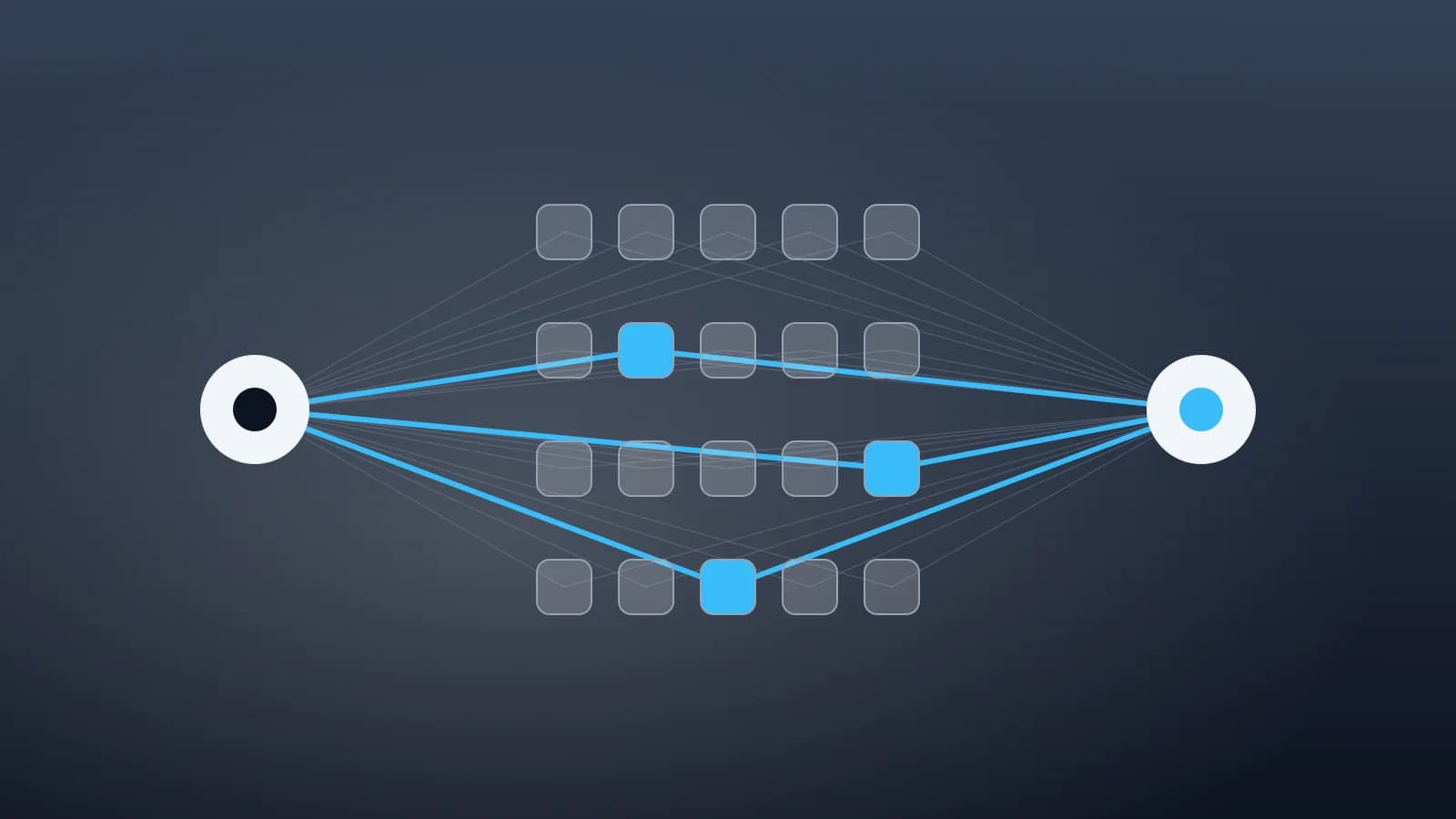
A component called Auto Model Router picks a model for each request based on the type of task, its difficulty, the quality required and cost, so customers set a balance between price and quality rather than choosing a model themselves. It also claims token usage can fall by up to 25%: roughly 20 points from compressing prompts, a technique tuned for Korean, and about 5 from sending simpler requests to cheaper models. The Korea Herald notes that the figure comes from internal tests whose comparison criteria were not disclosed.
Billing and business model
Customers pay in won after use, and charges can be combined with existing telecom bills. A standard plan is usage-based; an enterprise plan adds volume discounts, dedicated network connections and service-level agreements. No prices have been published. KT says customer data is not stored or used for training.
Executives stressed that commissions on third-party models are not the main goal. KT expects most revenue from serving models on its own GPUs, alongside bundling Token Factory into existing network and cloud contracts. It has disclosed no revenue targets. Access for individual developers and consumers, along with subscription pricing, is planned for March 2027.