THE ESSENTIALS IN 30 SECONDS
- The AI Humanoid Data Factory, built by KIMM with ETRI on KIMM's Daejeon campus, opened on November 3 with 12 humanoid robots.
- Operators teleoperate the robots or have them imitate human motion to record household and industrial task data, which feeds a train-deploy-validate loop.
- KIMM plans to open the site in phases to companies, universities and research institutes from the end of 2027.
The Korea Institute of Machinery and Materials (KIMM) held an opening ceremony on November 3 for what it calls the country's first data production facility dedicated to bipedal humanoid robots. The "AI Humanoid Data Factory" sits on KIMM's main campus in Daejeon and was built together with the Electronics and Telecommunications Research Institute (ETRI). The Ministry of Science and ICT publicised the opening the following day, according to AI Times.
How the factory works
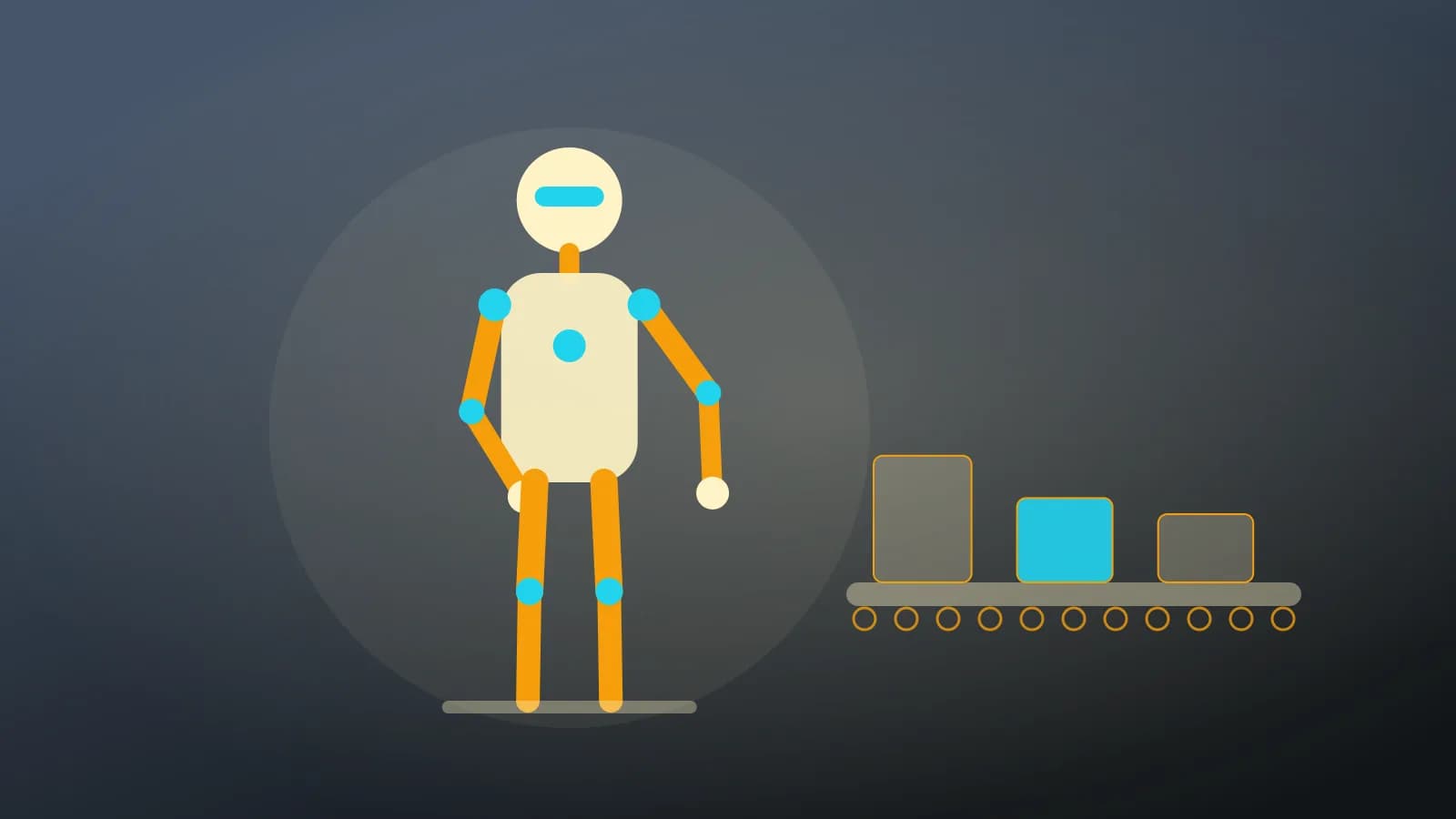
Twelve humanoid robots are deployed at the site. Human operators either control them remotely or have them copy their own movements, and the resulting motion and task data is used to train AI models. Recorded tasks range from arm and leg movements to whole-body work, including household chores such as taking items out of a refrigerator, handling laundry and tidying a sofa, as well as an industrial task: working buttons and levers inside a car. Trained models are then loaded onto real robots, tested, and the results fed back into further training.
At the ceremony, KIMM showed KAIROS, a humanoid it is developing domestically, performing precise object manipulation and imitating whole-body motion. Neither report gives the volume of data the site is expected to produce, the makers of the 12 robots, the floor area or the budget.
Part of a national humanoid push
The facility belongs to a ministry-backed research group on "self-growing" AI humanoids, led by KIMM and scheduled to run from May 2025 to April 2030. Officials also tied it to the government's K-Moonshot AI humanoid mission. KIMM president Ryu Seok-hyun described high-quality robot task data as central to national technological competitiveness, while ministry R&D policy director Kim Seong-su stressed the role of public data infrastructure.
Access and open questions
For now the factory serves KIMM's own research. The institute says it will open it in stages to companies, universities and research institutes from the end of 2027, while adding robot types and tasks. The stated aim is to give Korean researchers and firms a domestic source of physical task data, which robot models need and which cannot simply be gathered from the web the way text is. Whether a 12-robot facility can generate enough real-world data to matter at that scale, and on what terms outside users will get access, has not yet been detailed.