THE ESSENTIALS IN 30 SECONDS
- OpenAI plans to acquire Pierre Computer and integrate its Code Storage product, a distributed storage system built on Git, directly into Codex.
- Code Storage supports repositories of up to 32TB, more than 30 concurrent writes and sync with GitHub, GitLab and Bitbucket; customers include Lovable, Bolt and Amp.
- No price was disclosed, and Pierre's open-source projects Diffs, Trees and DiffsHub are to remain open source.
OpenAI has agreed to acquire Pierre Computer, a developer-tools startup that builds storage infrastructure for code, Axios reported on November 4. OpenAI intends to integrate Pierre's main product, Code Storage, into Codex, its coding agent. Pierre's technology is already used inside Codex, according to Unite.AI. The financial terms were not disclosed, and the deal is described as planned rather than completed.
What Pierre builds
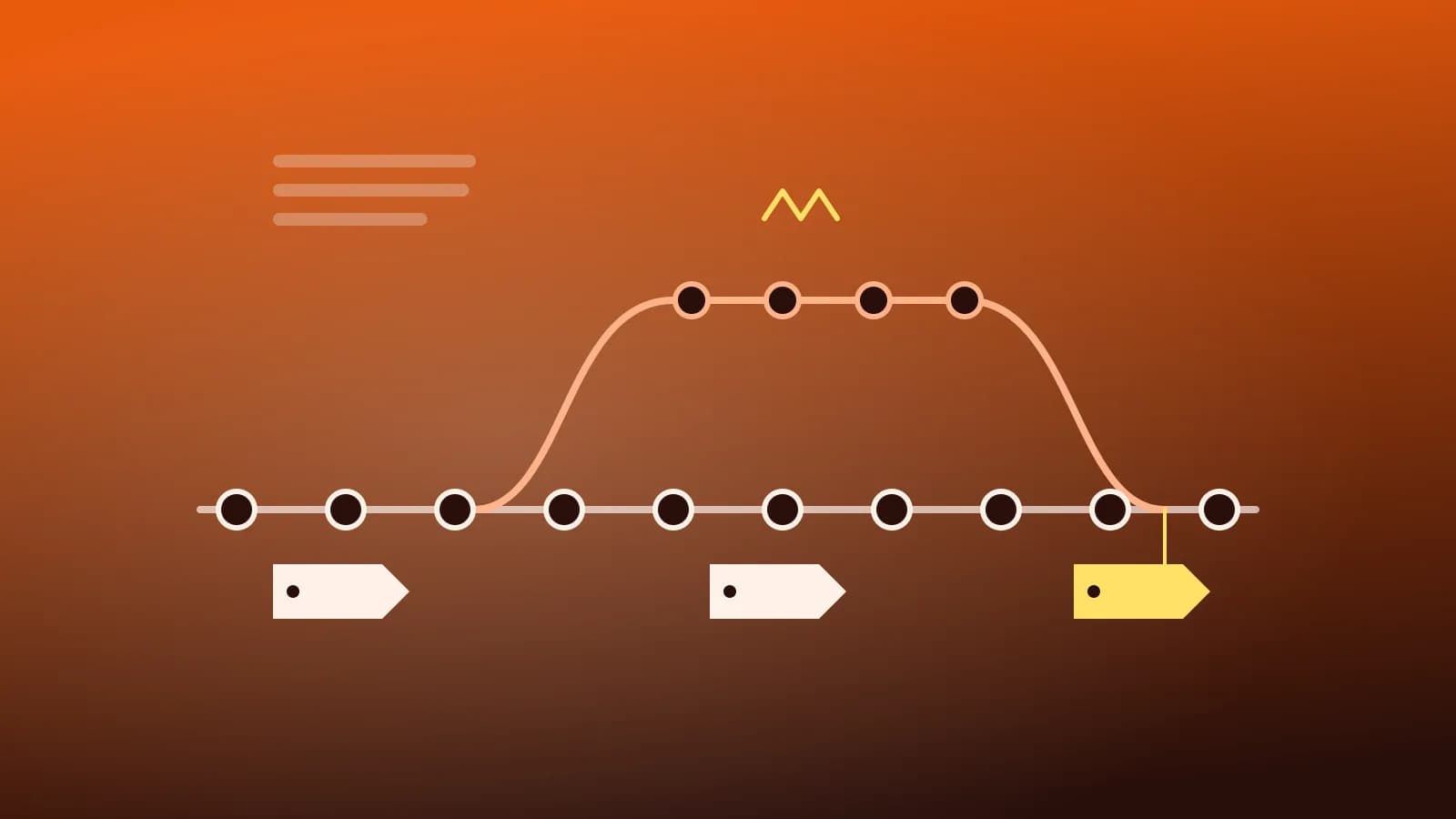
Pierre presents itself as a maker of low-level infrastructure for work done by machines. Code Storage is a distributed storage system built on Git and designed to be driven through APIs by software agents rather than by people. Customers can embed Git clone, push and fetch endpoints in their own products, use SDKs for TypeScript, Python and Go, receive webhooks and keep repositories synchronised with GitHub, GitLab and Bitbucket. The company publishes specifications of up to 32TB per repository, more than 30 concurrent writes and support for Git LFS, and says it relies on a quorum-based design for consistent reads and writes. Companies named as users include Lovable, Poke, Anything, Bolt, Amp and Parahelp.
The San Francisco company says on its careers page that it has raised more than $20 million from Sequoia, CRV and O1A. Its open-source projects, Diffs, Trees and DiffsHub, will stay open source, according to the coverage.
Why it matters for GitHub
Axios framed the deal as a move onto the turf of GitHub, which is owned by Microsoft, itself a major OpenAI shareholder. As coding agents generate more software, the volume of code that repositories must store and serve is growing, and owning that layer gives OpenAI more control over how Codex reads and writes projects. Two days earlier, OpenAI had described Pando, an in-house Git backend that it says now handles development in its own monorepo and cut median push latency by nearly 80%.
Open questions
Neither the price nor the expected closing date has been made public. It is also unclear what will happen to Code Storage's existing customers, several of which build products that compete with Codex, or whether the service will remain available outside OpenAI.