THE ESSENTIALS IN 30 SECONDS
- GitHub announced general availability of Copilot Fusion on October 28, 2026, on all Copilot plans.
- Users choose Fusion Standard, High or Max; Copilot decides which models handle each prompt and how they collaborate.
- Each model Fusion uses is billed at its standard rate, with a temporary 30% discount for paid plans; benchmark claims come from GitHub.
GitHub has moved its multi-model orchestration feature out of research preview. Since October 28, 2026, Copilot Fusion appears in the model picker on every Copilot plan. Developers who select it are choosing a system, not a single model: for each prompt, Copilot decides which models to call and how to chain them.
What was announced
Fusion merges two earlier pieces of work. One is Project HydraFusion, a research preview launched in September that built a runtime execution plan for each request. The other is Copilot's existing automatic model selection. Users now pick one of three effort levels. Fusion Standard leans on versatile models for routine coding, Fusion High favours stronger models for harder problems, and Fusion Max reaches for the most capable models available.
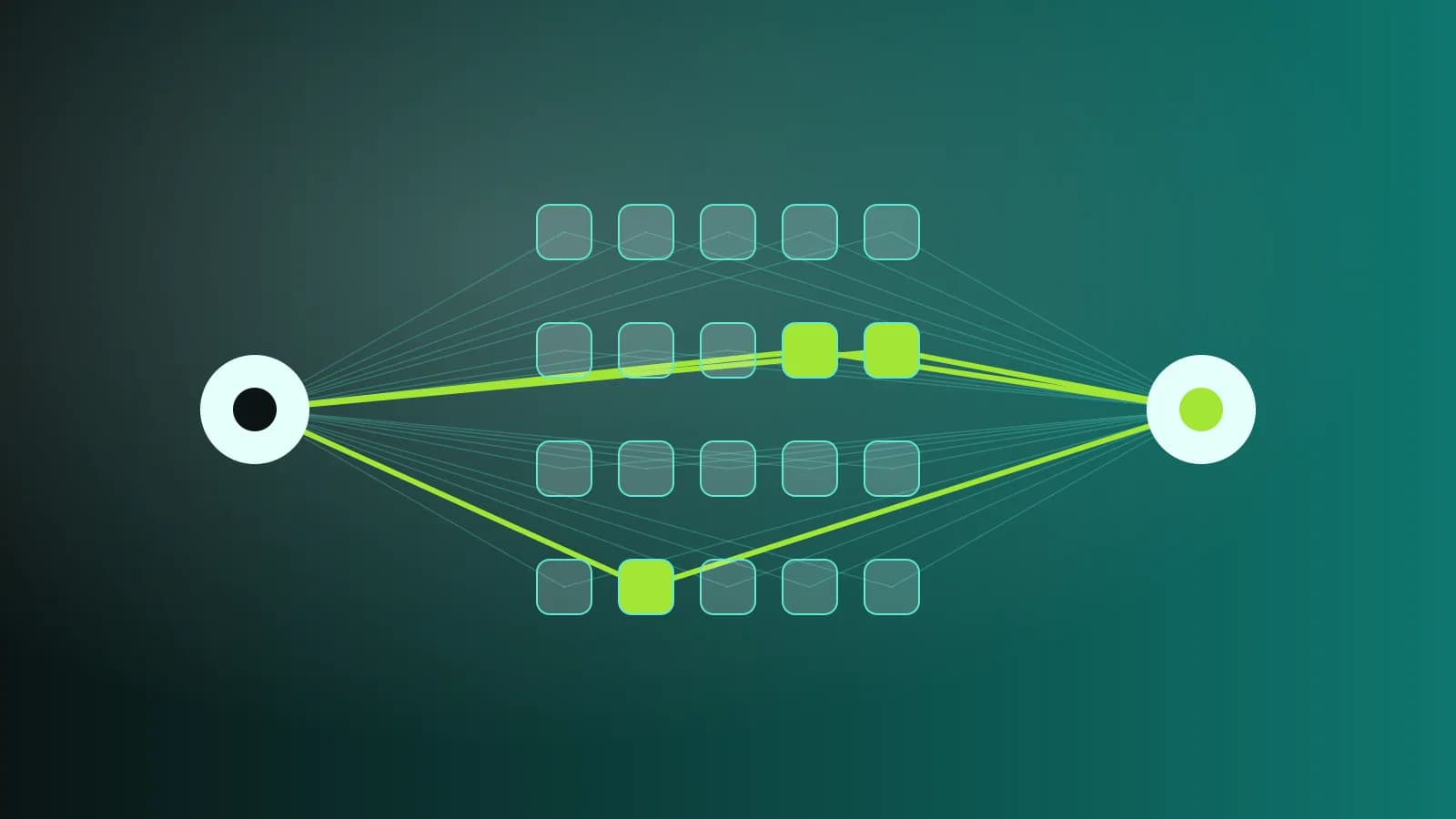
Behind each choice, Copilot can run a task in one of three ways. A single model can answer directly. In a cascade, a cheaper model drafts and a quality check either accepts the draft or hands the task to a stronger model. In a critique, a second model reviews the draft before the first one revises it. Fusion works in Visual Studio Code, the GitHub Copilot app, Copilot CLI and JetBrains IDEs, and GitHub says more clients will follow. Preview users who had turned on auto, HydraFusion or HydraFusion Max are moved to the matching Fusion level automatically.
Cost, controls and claims
Billing follows actual usage: every model Fusion calls is charged at its normal rate, and for a limited period paid plans get a 30% discount on model costs inside Fusion. Fusion only draws on models allowed by enterprise and organization policies. Admins can see the pool it uses, exclude a model from Fusion alone, and make Fusion the default through enterprise managed settings.
The headline figures are GitHub's own. The company says Fusion Max scored 60 on the Artificial Analysis Coding Agent Index, within two points of Claude Code with Opus 5.5 Max. It also says Fusion used about half the API cost and half the tokens per task, and took roughly 40% less time. The changelog does not explain how those numbers were measured. The September HydraFusion results, such as an estimated 67% lower cost than Claude Opus 5 on TerminalBench 2.1, came from controlled offline tests. InfoQ noted at the time that one of the benchmarks was internal to GitHub.
Open questions
Because Fusion picks the models, a given request may cost more or less than expected, and users give up some predictability over which vendor's model handles their code. Independent measurements of quality and spending on real projects are not yet available.