THE ESSENTIALS IN 30 SECONDS
- Physical AI Services launches with three products: Serve Link, Serve Data Curator and a real-world data catalog for foundation models.
- Construction-autonomy startup Bedrock Robotics is named as a launch customer for Serve Link.
- The launch came with third-quarter results showing $2.8 million in revenue and a $59.2 million net loss.
Serve Robotics, best known for its autonomous sidewalk delivery robots, announced on 5 November a new business line called Physical AI Services. The idea is to sell other robotics companies the software and data infrastructure Serve built to run its own fleet. Chief executive Ali Kashani told TechCrunch he sees it as the company's "AWS moment", a reference to Amazon turning its internal computing infrastructure into a cloud business.
Three products at launch
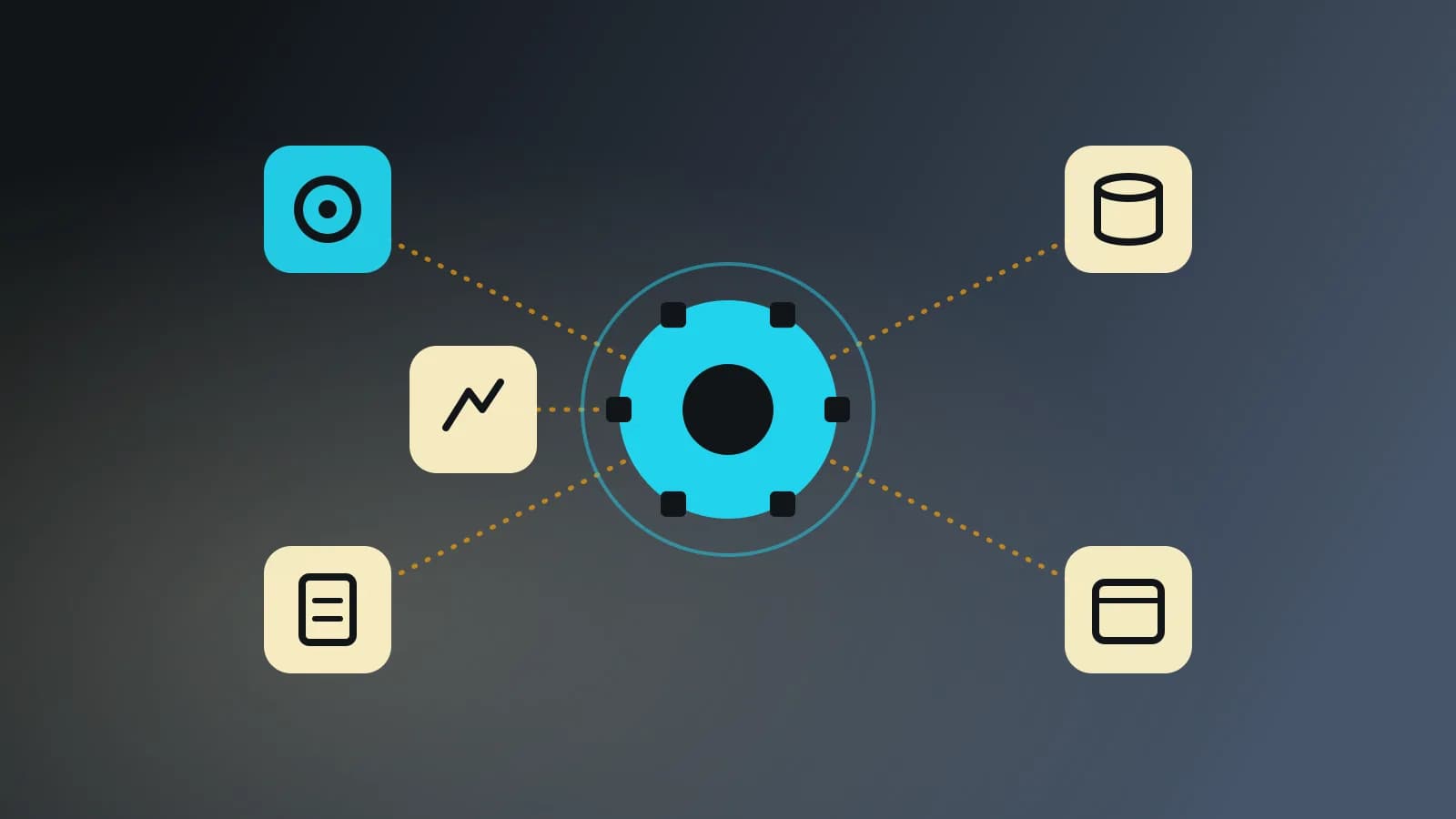
According to Serve's press release, the offering starts with three components. Serve Link is a connectivity layer meant to keep robots in the field reliably linked to the models, monitoring tools and training systems that run off-board, so operators can tap more powerful AI without putting all the computing on the robot itself. Serve Data Curator is designed to sift through the large volumes of data a fleet records and surface rare or unusual moments that are most useful for training. The third product is a catalog of real-world data gathered by Serve's sidewalk robots, including terrain and infrastructure information, pitched at companies building foundation models for physical environments.
The company names Bedrock Robotics, a startup developing autonomous systems for heavy construction equipment, as a launch customer that uses Serve Link to connect its machines over Wi-Fi, cellular and satellite networks. Serve says the platform already supports thousands of vehicles across about a dozen industries, including mining and autonomous trucking. TechCrunch also reports that Serve is working with T-Mobile to bring computing closer to robots; the press release does not mention that partnership. No pricing was disclosed.
The financial backdrop
The launch coincided with Serve's third-quarter results. Revenue reached $2.8 million, up 313% year on year but below the $3.2 million reported in the second quarter, while the GAAP net loss was $59.2 million. The company averaged 917 daily active robots in the quarter, raised its full-year revenue guidance to $12 million and lowered its expected non-GAAP operating expenses to $150 million. It ended September with $198 million in cash and marketable securities.
Serve, which spun out of Uber in 2021 and acquired hospital robot maker Diligent Robotics this year, says it has deployed more than 2,000 robots. Its delivery business is not going away, TechCrunch notes. How many other robot makers will hand core infrastructure to an outside supplier, and how much revenue the new line can generate, has not yet been shown.